Lighting margins are shrinking across the industry. But the reasons are not always obvious. Rising costs, higher freight, inventory problems, and uneven pricing can all cut into profit. Often, these issues build up slowly. By the time they show up in financial reports, margins have already dropped. Companies that want to protect margins need to find where profit is leaking and act early.
Why Pricing Is Getting Harder
- Online rivals and big-box stores make it easier than ever to compare prices.
- Manufacturer price hikes keep raising the cost of fixtures.
- Inflation, insurance, labor, and operating costs rise faster than many businesses can raise their own prices.
- Customers are more price sensitive. They delay purchases or put off projects.
The Result
Lighting companies often see costs go up. They cannot always pass those costs to customers. This squeezes their profits.
Where Lighting Margins Actually Get Lost
Many companies think margin loss comes only from product costs. In truth, several operational issues quietly eat away at profitability:
Revision Cycles and Design Changes
Every fixture substitution, specification change, and redesign creates extra work. When these costs are not tracked and billed correctly, profits disappear.
Slow-Moving Inventory
Inventory sitting in warehouses ties up cash. It also costs money to store. Often, it must be discounted to sell.
Hidden Operational Costs
Manual order processing, receiving errors, inconsistent pricing, and inefficient workflows add labor and administrative costs to every transaction.

Problems Across Sales Channels
One cause of shrinking lighting margins is often missed: pricing and profit differ by sales channel.
The same fixture can be:
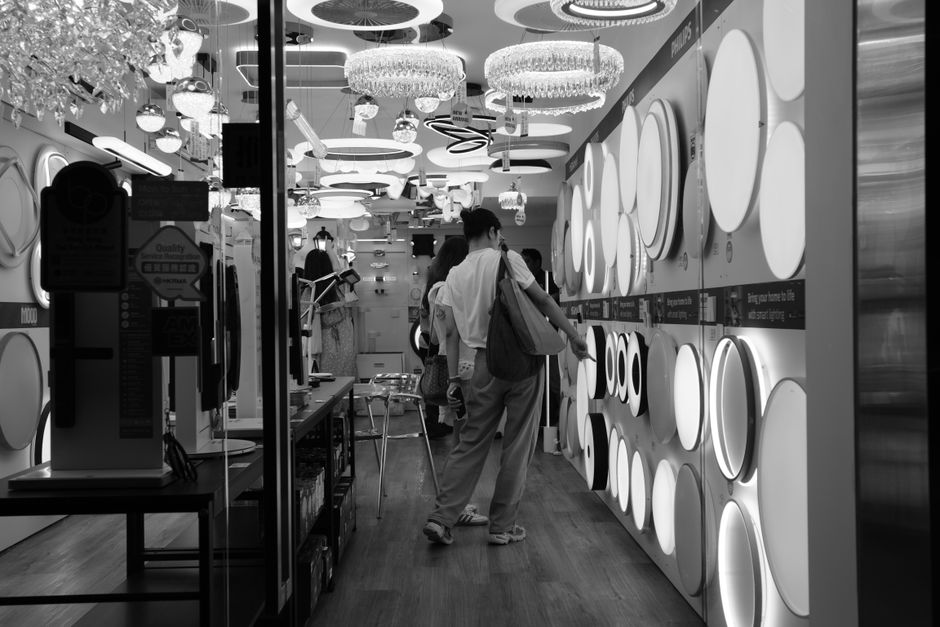
- Profitable in the showroom
- Only slightly profitable through a trade program
- Not profitable at all through eCommerce
Each channel has its own costs. Shipping, returns, discounts, and commissions can cut profit in different ways. So businesses should check margins by channel, not just look at the total.
Why Channel Visibility Matters
The same product being quoted differently across showroom, eCommerce, and B2B channels creates pricing inconsistencies that make it difficult to protect lighting margins.
Landed Cost Challenges
Many lighting businesses figure out margin using only what they pay the supplier.
The real landed cost includes more than that:
- Freight
- Tariffs
- Duties
- Handling
- Storage expenses
When these costs are left out, products look more profitable than they really are. The loss in margin goes unnoticed until the financial reports show the problem.
The Inventory Connection
Landed cost mistakes become worse when a business also overstocks or has slow-moving inventory. The cost of holding that inventory keeps rising, while the reported margins stay artificially high.

Strategies to Protect Lighting Margin
The good news is that margin pressure can be managed. This works best when businesses can see their true costs and profits clearly.
1. Standardize Pricing Logic
Ensure pricing rules are consistent across showroom, eCommerce, trade, and commercial channels.
2. Track True Landed Cost
Include freight, duties, tariffs, and other indirect expenses in margin calculations.
3. Monitor Profitability by Channel
Measure profitability at the product, order, and channel level rather than relying on overall gross margin.
4. Improve Inventory Visibility
Identify slow-moving products, reduce excess stock, and focus on inventory that delivers stronger returns.
5. Use Better Data and Automation
With NetSuite and illumiNET, lighting businesses can see important data in one place. This makes it easier to understand costs, improve pricing decisions, and prevent small margin issues from becoming bigger financial problems.
How a NetSuite Approach Protects Lighting Margins
Zastro helps growing businesses move away from disconnected systems and manual work. With NetSuite, companies can put sales, inventory, purchasing, and financial data in one place. For lighting businesses, including showrooms that use illumiNET, this makes it easier to track and protect margins.
- Real-time margin visibility becomes possible when sales, purchasing, and inventory data are in the same system. Managers can see which fixtures and projects make money and which ones lose money.
- Accurate landed costs replace spreadsheet guesses. Purchase costs, freight, duties, and storage are in one record. So margin numbers show the true cost of getting a fixture to the customer.
- Faster response to price changes keeps quotes current. When a manufacturer raises prices, the new cost flows into open quotes and orders. Sales teams stop pricing against old numbers.
- Inventory control improves because stock levels and product age are visible. Businesses can order less and spot slow-moving fixtures before they become storage costs.
- Cleaner project tracking keeps revision cycles visible. Every change order and design adjustment can be logged against the project. So the cost is clear, not hidden.
- Reliable reporting replaces manual month-end work with up-to-date margin numbers. Leaders can trust these numbers and act on them.
This approach does not require a lighting business to change its sales model. It simply gives the business the data needed to protect the margins it already works hard to earn.
Conclusion
Margin compression rarely has one single cause. Usually, it comes from a mix of rising costs, pricing pressure, inventory problems, and poor profit visibility. These issues can slowly shrink margins over time. Companies that protect their profits watch these areas closely. They fix problems before they turn into bigger financial losses.

Frequently Asked Questions
Here are answers to common questions about protecting lighting margins in today's market.
How can a lighting business reduce margin compression?
To reduce margin compression, start by finding where profits are lost. Many lighting businesses improve margins by tracking true landed costs, checking profits by sales channel, cutting excess inventory, setting standard prices, and automating manual tasks. When you can see costs and performance clearly, it is easier to fix problems before they hurt profits.
Why does true landed cost matter for lighting margins?
True landed cost includes more than the supplier invoice. Freight, duties, tariffs, handling fees, and storage costs all affect profit. If these costs are left out of margin calculations, products can look more profitable than they really are.
What is illumiNET, and how does it help lighting businesses?
illumiNET is a lighting industry solution built to work alongside NetSuite. It helps lighting showrooms manage product data, vendor pricing, quoting, project workflows, and industry-specific processes. Together, NetSuite and illumiNET provide greater visibility into costs, margins, and operational performance.
How can lighting businesses improve profit visibility?
Businesses can improve profit visibility by measuring profitability at multiple levels, including products, customers, projects, and sales channels. A unified platform such as NetSuite makes it easier to access accurate, real-time data instead of relying on disconnected spreadsheets and manual reports.
How can NetSuite help with inventory management?
NetSuite provides visibility into inventory levels, product movement, purchasing trends, and stock aging. This helps businesses identify slow-moving inventory, reduce carrying costs, improve replenishment decisions, and free up cash tied up in excess stock.
Is NetSuite a good ERP for lighting showrooms?
NetSuite is a popular cloud ERP platform for growing lighting businesses because it connects inventory, purchasing, customer management, sales, and financials in one system. When combined with illumiNET, lighting showrooms gain industry-specific functionality designed to support quoting, projects, vendor relationships, and profitability management.