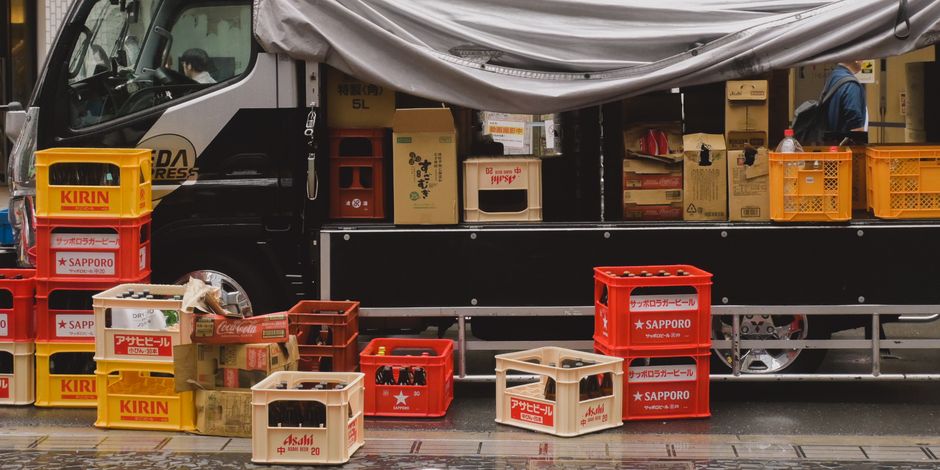
Food and beverage distributors move products from manufacturers to restaurants, hotels, grocery stores, and other businesses. Their work is challenging. They manage thousands of SKUs, products with limited shelf lives, temperature-controlled inventory, and strict food safety requirements. At the same time, customers expect fast, accurate deliveries. Many distributors still rely on spreadsheets and basic accounting software, which makes it harder to track inventory, control costs, and respond quickly to change. NetSuite brings inventory, purchasing, sales, finance, and operations together in one cloud-based system. This gives distributors better visibility, streamlined processes, and the tools they need to make faster decisions.
The Unique Challenges in Food and Beverage Distribution
Food and beverage distributors face challenges that many other distributors do not. Product traceability is one of the biggest. A recall can happen because of contamination, labeling mistakes, or supplier issues. If affected products cannot be identified quickly, the distributor may face financial losses and damage to its reputation.
Distributors must also manage products with different storage requirements and shelf lives. Many handle frozen, refrigerated, and shelf-stable items at the same time. They often serve a wide range of customers, from small restaurants to large grocery chains. Rising commodity costs, fuel prices, and labor expenses add even more pressure on margins.
These challenges make it difficult to run the business with spreadsheets and disconnected software. Many distributors still use separate systems for inventory, accounting, order management, and warehouse operations. This can create data errors, slow decision-making, and increase fulfillment and billing mistakes.
A cloud ERP system like NetSuite brings these processes together in one platform. With inventory, orders, warehouse operations, and financials connected, distributors gain better visibility, improve efficiency, and make faster decisions.
How NetSuite ERP Addresses Distribution Complexities
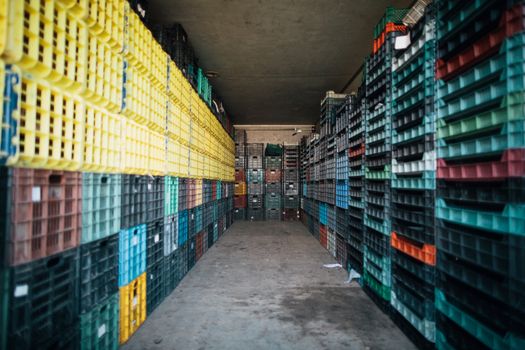
NetSuite ERP brings financials, inventory, purchasing, orders, and reporting together in one cloud-based system. For food and beverage distributors, this creates a single source of truth across the business. When an order is picked, packed, and shipped, inventory levels update automatically. Customer invoices are created right away, and financial records are updated without manual entry.
This real-time visibility helps distributors make faster decisions and reduce errors. Teams can track inventory more accurately, avoid stockouts, improve order fulfillment, and lower carrying costs. Instead of working across multiple systems, employees can access the information they need from one platform.
Real-Time Inventory and Traceability
Food and beverage distributors need more than a basic inventory count. They must track lot numbers, expiration dates, and products sold by weight. This helps them meet food safety requirements and respond quickly when problems arise.
NetSuite tracks products from the time they arrive at the warehouse until they reach the customer. Each lot can be tracked through every step of the process. If a recall happens, employees can quickly find the affected products, see which customers received them, and locate any remaining inventory.
Faster access to this information helps distributors respond to recalls more quickly, reduce risk, and protect customer trust.
Order Management for Multi-Channel Fulfillment
Food and beverage distributors serve many types of customers, including restaurants, hotels, schools, hospitals, convenience stores, and grocery stores. Each customer has different ordering needs, delivery schedules, and pricing requirements.
NetSuite helps distributors manage these differences. The system can apply pricing based on customer type, order volume, or special promotions. It can also automate order routing to help orders move through the fulfillment process more efficiently.
NetSuite supports mobile order entry, allowing sales teams to place orders while visiting customers. Those orders flow directly into the system and can be sent to the warehouse right away. This reduces delays, improves accuracy, and helps customers receive their products faster.
Financial Management and Reporting
Food and beverage distributors manage large numbers of customers, products, and supplier payments. Each customer may have different payment terms, while each product line can have different profit margins.
NetSuite gives managers real-time access to financial information. They can monitor cash flow, margins, and operating costs from a single system. Reports can also show profitability by customer, product category, or other parts of the business. This helps identify which areas generate the strongest returns.
NetSuite also supports companies with multiple locations, subsidiaries, or currencies. This is especially useful for distributors that operate in several states or across international markets.
Leading Distributors in the Food and Beverage Space
Food and beverage distributors come in many sizes. Some serve a single city or region. Others deliver products across several states or throughout the country.
Some distributors offer a wide range of food and beverage products. Others focus on a specific market, product type, or customer group. Regardless of size or focus, distributors face many of the same challenges.
They need accurate inventory records, efficient order processing, and reliable financial data. They also need to manage growth, control costs, and meet customer expectations.
NetSuite brings inventory, orders, purchasing, warehouse activities, and financials together in one system. This helps distributors work more efficiently and make better decisions as their business grows.
Why a Specialized Implementation Partner Matters
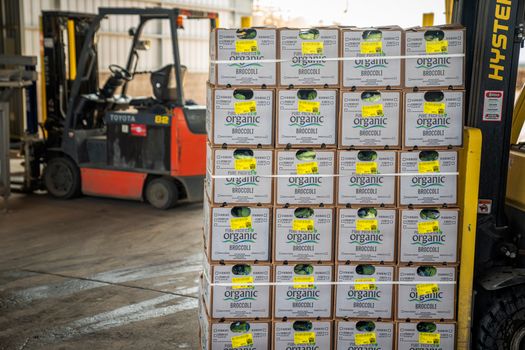
Implementing NetSuite requires more than technical knowledge. It also helps to work with a team that understands food and beverage distribution. An experienced partner can help set up lot tracking, catch weights, rebates, and customer pricing. They can also help clean up old data, document business processes, and train employees on the new system.
Ongoing support is just as important. As the business grows, a knowledgeable partner can help with system updates, customizations, and integrations.
Many distributors reach a point where spreadsheets, QuickBooks, or older software can no longer keep up. Moving to NetSuite can help them gain better control over inventory, purchasing, orders, and financials. Teams can view inventory across multiple warehouses, automate purchasing based on demand forecasts, and provide more accurate delivery estimates.
The result is a more efficient business with better visibility, fewer manual tasks, and faster access to the information needed for daily decisions.

Frequently Asked Questions
How does NetSuite help food and beverage distributors?
NetSuite combines inventory, orders, purchasing, accounting, and reporting in one cloud-based system. It helps distributors track lot numbers and expiration dates, automate processes, improve order accuracy, and gain better visibility into business performance.
What should distributors look for in an ERP implementation partner?
Look for a partner that understands food and beverage distribution and has experience implementing NetSuite. They should be able to help with data migration, system setup, employee training, integrations, and ongoing support.
Can NetSuite support inventory traceability?
Yes. NetSuite can track lot numbers, expiration dates, and inventory movements. This helps distributors improve product traceability and respond more quickly to recalls.
What are the benefits of using NetSuite for distribution?
NetSuite helps distributors manage inventory, reduce manual work, improve reporting, automate purchasing, and make faster decisions. It also supports lot tracking, demand planning, and financial management.
Is NetSuite a good fit for growing distributors?
NetSuite is designed to support growing businesses. It can help distributors manage multiple warehouses, larger order volumes, and more complex operations without relying on disconnected systems or spreadsheets.