As product lines expand and supply chains become more complex, manual tracking methods often struggle to keep pace. Spreadsheets and disconnected systems can make it difficult to maintain accurate, real-time inventory records. NetSuite inventory management and NetSuite WMS help food and beverage companies improve visibility, reduce manual work, and streamline warehouse operations.
NetSuite inventory management brings product data, lot details, expiration dates, warehouse activity, and inventory movement into one connected system. With the right setup, businesses gain greater control over inventory and warehouse processes. Zastro helps companies configure these inventory management capabilities to support their specific goals and operational requirements.
Food & Beverage Inventory Management Challenges
Food and beverage businesses face inventory challenges that can be difficult to manage with manual processes alone, including:
- Managing large numbers of SKUs with short shelf lives
- Tracking perishable ingredients and finished goods
- Responding to seasonal demand changes and high order volumes
- Maintaining visibility across multiple warehouses, bins, and fulfillment channels
When inventory data is incomplete or delayed, teams may overbuy, overproduce, ship incorrect items, or discover spoilage too late. For businesses operating on tight margins, stronger inventory controls can reduce waste, improve customer service, and protect profitability.
How NetSuite Improves Inventory Management
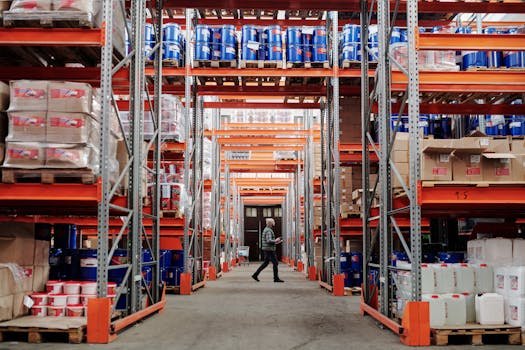
NetSuite brings inventory, purchasing, production, warehouse activity, and order management into a single system. Teams gain a real-time view of inventory as it moves through warehouses, production processes, and fulfillment operations.
NetSuite WMS adds tools such as mobile barcode scanning, guided workflows, cycle counting, and lot, serial, and expiration tracking. These tools reduce manual data entry and improve traceability. They also help warehouse teams receive, pick, pack, and ship products more accurately.
Inventory Management Strategies to Reduce Waste and Manual Errors
Inventory accuracy is about more than knowing what is in stock. It helps teams make better purchasing, production, and fulfillment decisions before minor issues become costly disruptions.
NetSuite helps reduce waste and manual errors through better lot tracking, expiration tracking, warehouse processes, and data sharing across departments. These capabilities can reduce expired, damaged, or misplaced inventory. They can also improve shipping accuracy and support audits, traceability, and recall readiness.
With the right setup, teams can improve data capture, reduce avoidable waste, strengthen fulfillment accuracy, and make inventory decisions with greater confidence.
The Business Value of Better Inventory Management Visibility
Real-time inventory data helps businesses make faster and more informed decisions. It supports both daily operations and long-term planning. Key benefits include:
- Fewer stockouts, missed orders, and inventory surprises
- Lower risk of spoilage, shrink, and excess inventory
- More efficient warehouse labor and fulfillment processes
- Stronger compliance through improved traceability and audit-ready records
Choosing a NetSuite Partner for Inventory Management
The right NetSuite partner can turn inventory and warehouse goals into practical system improvements. This includes configuring item records, locations, bins, lot tracking, expiration dates, WMS workflows, scanning processes, dashboards, and reporting. The goal is to support the way your business actually operates.
For food and beverage companies, partner guidance can be especially valuable when aligning NetSuite with receiving, production, quality control, fulfillment, traceability, and compliance requirements. A well-planned implementation helps ensure the system supports current needs while remaining scalable for future growth.
When evaluating a NetSuite partner, look for experience with inventory accuracy, warehouse management, food and beverage ERP requirements, lot traceability, expiration tracking, and real-world operational processes. Zastro brings that practical perspective to NetSuite planning and configuration without forcing a one-size-fits-all approach.
What Food & Beverage Companies Should Know About NetSuite Inventory Management
Many food and beverage businesses need ERP software that connects inventory, purchasing, production, warehouse operations, financials, and order management. NetSuite provides these capabilities in a cloud-based platform.
Lot tracking and expiration tracking are especially important for businesses that manage perishable products. These capabilities help support traceability, product rotation, quality control, and recall readiness.
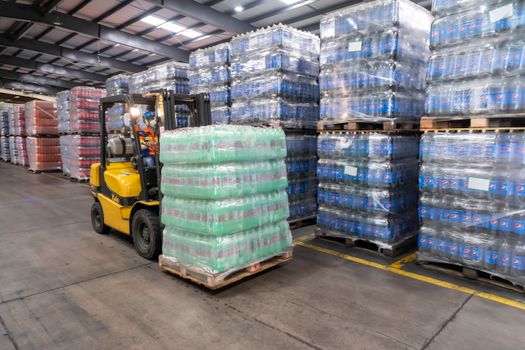
NetSuite WMS supports receiving, putaway, picking, packing, shipping, cycle counting, barcode scanning, and inventory movement across locations. These tools help create more consistent warehouse processes and more accurate inventory records.
Barcode scanning can further improve inventory accuracy by reducing manual entry, validating warehouse transactions, and helping keep inventory records up to date.

Best Practices for Food & Beverage Inventory Management
Food and beverage companies often have unique inventory management requirements. Perishable products, lot traceability, expiration dates, and changing demand all add complexity. Successful inventory management starts with accurate records, consistent warehouse processes, and clear visibility across purchasing, production, and fulfillment.
Technology can make inventory management easier and more accurate. Barcode scanning, cycle counting, lot tracking, expiration tracking, and warehouse management workflows can reduce manual effort while improving data accuracy.
Businesses that strengthen their inventory management processes often reduce waste, improve fulfillment accuracy, and make better purchasing decisions. As operations grow, scalable inventory management tools can help maintain control and support expansion.
Ready to Improve Inventory Accuracy?
If your business still relies on spreadsheets, disconnected systems, or manual warehouse processes, inventory challenges will likely become more difficult and costly as you grow.
Zastro helps food and beverage companies use NetSuite WMS and inventory management capabilities to improve inventory accuracy, reduce waste, and support efficient warehouse operations. Contact us to start a conversation about improving inventory control for your business.
Frequently Asked Questions
Here are answers to common questions about inventory management for food and beverage operations.
What is inventory management in food and beverage?
Inventory management is the process of ordering, storing, using, and selling the raw materials, works-in-progress, and finished products a company holds. In food and beverage, it also means overseeing perishable goods so they move through production and distribution before they spoil. Done well, it cuts costs, prevents stockouts, and keeps operations running efficiently.
Why is inventory management important?
When inventories contain too much product, storage space fills up and cash gets tied into goods that may not sell in time. When stock is too low, production slows and customers wait longer. Inventory management keeps the right amount of product on hand at any given time, which helps companies reduce waste, protect margins, and respond to demand with confidence.
What types of inventory do food and beverage companies track?
Food and beverage companies typically track raw materials, components, works-in-progress, and finished products. Raw materials are the ingredients that arrive from suppliers. Works-in-progress are batches moving through mixing, cooking, packaging, or labeling. Finished products are ready to ship to distributors, retailers, or direct customers.
How does NetSuite improve inventory management?
NetSuite is a cloud-based ERP platform that gives food and beverage companies a single view of inventory across warehouses and production lines. Because the system updates itself as goods are used or sold, teams can keep accurate stock counts and avoid the guesswork that leads to waste, overstock, and stockouts. That visibility supports better purchasing, smoother production, and more reliable customer commitments.
Food and beverage companies do not need perfect conditions to improve their inventory process. They need accurate data, a clear workflow, and the right system to support both. With NetSuite and a thoughtful implementation plan, inventory management becomes a practical advantage that reduces waste, improves accuracy, and keeps warehouse operations moving smoothly.