Two food and beverage companies can buy the same pallet of ingredients, sell it at the same price, and still report different gross margins. The gap usually comes down to inventory costing. The method you choose decides which costs land in cost of goods sold, which sit on the balance sheet as inventory, and how much of your margin story reflects real performance versus accounting mechanics.
For teams evaluating NetSuite, or already running it, the costing question tends to surface in the same places: a margin report nobody trusts, a pricing conversation without a clear cost floor, and a variance review that turns into a debate about definitions. Here is how standard, average, and actual costing differ, and what each one does to the numbers your business depends on.
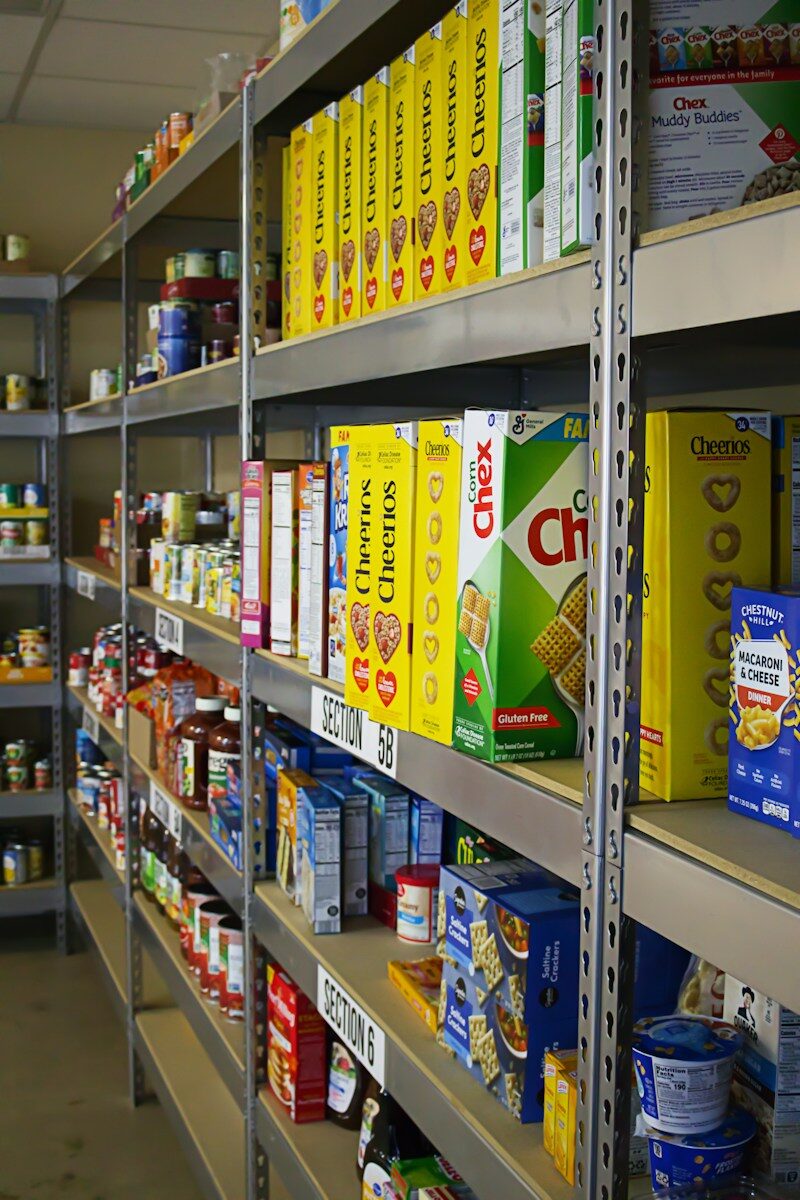
Photo by Ayla Meinberg
Why Costing Method Matters More in Food and Beverage
Food and beverage operations carry conditions that most other industries do not: ingredient prices that move week to week, yields that shift with grade and season, and shelf life that forces write-offs before inventory ever reaches a customer. Layer in catch-weight items, co-packers, and multi-level recipes, and the cost basis behind a single finished good becomes genuinely complicated.
Under any approach, cost of goods sold follows the same structure: beginning inventory plus purchases minus ending inventory equals cost of goods sold. What changes is how the cost of each unit is determined before that math runs. Get that piece wrong and every downstream number inherits the error.
The Three Approaches in Plain Terms
| Approach | How cost is set | What it shows well | What to watch |
| Standard cost | Predetermined rates for material, labor, and overhead | Target margins and variance visibility | Standards must be maintained or they drift from reality |
| Average cost | A blended average of inventory cost | Stable margins across volatile receipts | Blurs lot-level and item-level cost differences |
| Actual cost | What you actually paid, tied to specific items or lots | True margin per batch or lot | Data capture and record keeping demands |
Standard Cost
Under a standard costing system, predetermined costs for material, labor, and overhead are established and used to determine the cost of goods produced. The standard becomes the yardstick. Actual costs are compared against it, and the difference is captured as a variance.
For a food manufacturer running repeatable recipes, this is powerful. A shift in ingredient yield or a co-packer overcharge shows up as an exception rather than disappearing into a blended number. The tradeoff is maintenance. Standards set once and never refreshed become fiction, and the variance report turns into a list of known, ignored gaps.
Average Cost
The average costing method is an inventory accounting technique where cost of goods sold is calculated from an average of your inventory cost rather than the price of a specific purchase. Every receipt nudges the blended cost, and every sale consumes that blend.
This suits high-volume operations where individual lot tracking is impractical and where ingredient prices swing frequently. Margins stay comparatively stable, which makes trend reporting cleaner. The cost is precision. A premium lot blended into the average disappears as a distinct margin signal, so the cost impact of a supplier change or a formulation tweak can take time to become visible.
Actual Cost
Valuing inventory at what you actually paid is the most intuitive approach and the most demanding. Costs follow the specific item, batch, or production run, which in practice means specific identification. In food and beverage, that connects naturally to lot codes and traceability requirements, but it also requires disciplined capture at receiving and production.
The cost method identifies what you paid and helps you focus on true performance rather than short-term price swings, though the record keeping involved can be significant. For a specialty producer or a business with high-value ingredients, that trade is often worth making.

How the Choice Changes Product Margins
Margins are not a single truth. They are a measurement, and the costing method is the instrument. Standard costing gives you a margin against a target, which is useful for accountability and forecasting. Average costing gives you a margin against a rolling blended cost, which is useful for trend lines. Actual costing gives you a margin against what this specific batch truly consumed.
The failure mode is mixing instruments. If pricing is set from a standard that has not been updated while financial reporting runs on average cost, sales and finance will disagree about which products make money, and both will be able to produce reports that support their position.
Pricing Decisions Depend on a Trusted Cost Floor
Every pricing conversation needs a defensible floor. Standard costs provide a forward-looking benchmark that suits quoting and contract pricing. Average costs reflect your blended acquisition reality, which suits high-turnover items and promotional planning. Actual costs answer a narrower question: did this run or this lot earn its keep?
In practice, the strongest setups pick one method for the general ledger and use a second view deliberately for pricing analysis, with clear ownership of both. What breaks pricing is ambiguity, not the presence of more than one cost number.
Variance Analysis: Where the Method Shows Up
Standard costing produces variance by design. Material, labor, and overhead differences are isolated against predetermined rates, so operations can chase a specific gap. Under average or actual costing, variance still exists, but it has to be constructed. Teams compare receipt prices to contract terms, yields to recipe expectations, and usage to production plans outside the core cost calculation.
That distinction matters when you design reporting. A standard cost environment needs variance reports built into the close calendar. An average or actual environment needs exception reporting on purchase price movement and yield, because the ledger will absorb surprises quietly.
Financial Reporting and the Balance Sheet
Inventory carrying value is the original cost of the asset less any accumulated depreciation, amortization, or impairments. Standard costing can push that figure away from reality if variances are not cleared, which is why the treatment of variances deserves an explicit policy rather than an inherited default. Consistency matters too. A method change alters comparability between periods, so it needs to be planned and disclosed rather than adjusted quietly mid-year.

What to Settle Before Configuring NetSuite
Companies evaluating NetSuite often treat costing as a configuration task to handle late in the project. It is closer to a policy decision with system consequences. Before items, bills of material, and lot tracking are set up, settle these points:
- Which costing approach governs the general ledger, and who owns standard cost updates and how often
- Which item categories need lot or batch identity and which can safely run on average cost
- How variances will be reviewed, by whom, and on what reporting cadence
- Which cost view sales and pricing teams use, so quoting and accounting do not diverge
- What parallel reporting is needed during the transition to prove the new numbers against the old
Changing cost methods after go-live is disruptive because history, item setup, and reporting logic all reference the original choice. Confirm the specifics of any accounting treatment with your accountant or auditor before you commit.
Frequently Asked Questions
Which costing method works best for a food manufacturer?
There is no universal answer. Repeatable production with tight recipe control usually benefits from standard costing because variances surface quickly. High-volume operations with volatile ingredient prices often prefer average cost for stability. Producers with high-value or traceable ingredients lean toward actual cost. The right choice depends on how much precision you need versus how much record keeping you can sustain.
Can average costing hide a margin problem?
It can delay visibility. Average costing blends each receipt into a single cost, which smooths margin reporting but also absorbs the impact of an expensive lot or a supplier price jump. The margin effect is real, but it spreads across future sales instead of appearing at once. Exception reporting on purchase price movement keeps that from going unnoticed.
What happens to variances under standard costing?
Variances represent the gap between predetermined costs and actual costs incurred. How they are cleared, whether to inventory or to cost of goods sold, is an accounting policy decision that affects reported margin and carrying value. Set that policy before go-live, document it, and review the resulting balance with your accountant so reporting stays consistent period over period.
What should we decide before a NetSuite go-live?
Settle the costing approach for the general ledger, the item categories that require lot or batch identity, who maintains standards and how often, and how variance will be reviewed. These choices shape item setup, reporting, and close procedures. Leaving them open until late in the project usually means rework, and sometimes a restated view of margin.
Costing is one of the few decisions in an ERP project that touches every margin report, every pricing conversation, and every close after go-live. Pick the approach deliberately, document how variance is handled, and make sure the people pricing your products and the people closing your books are working from the same cost basis.