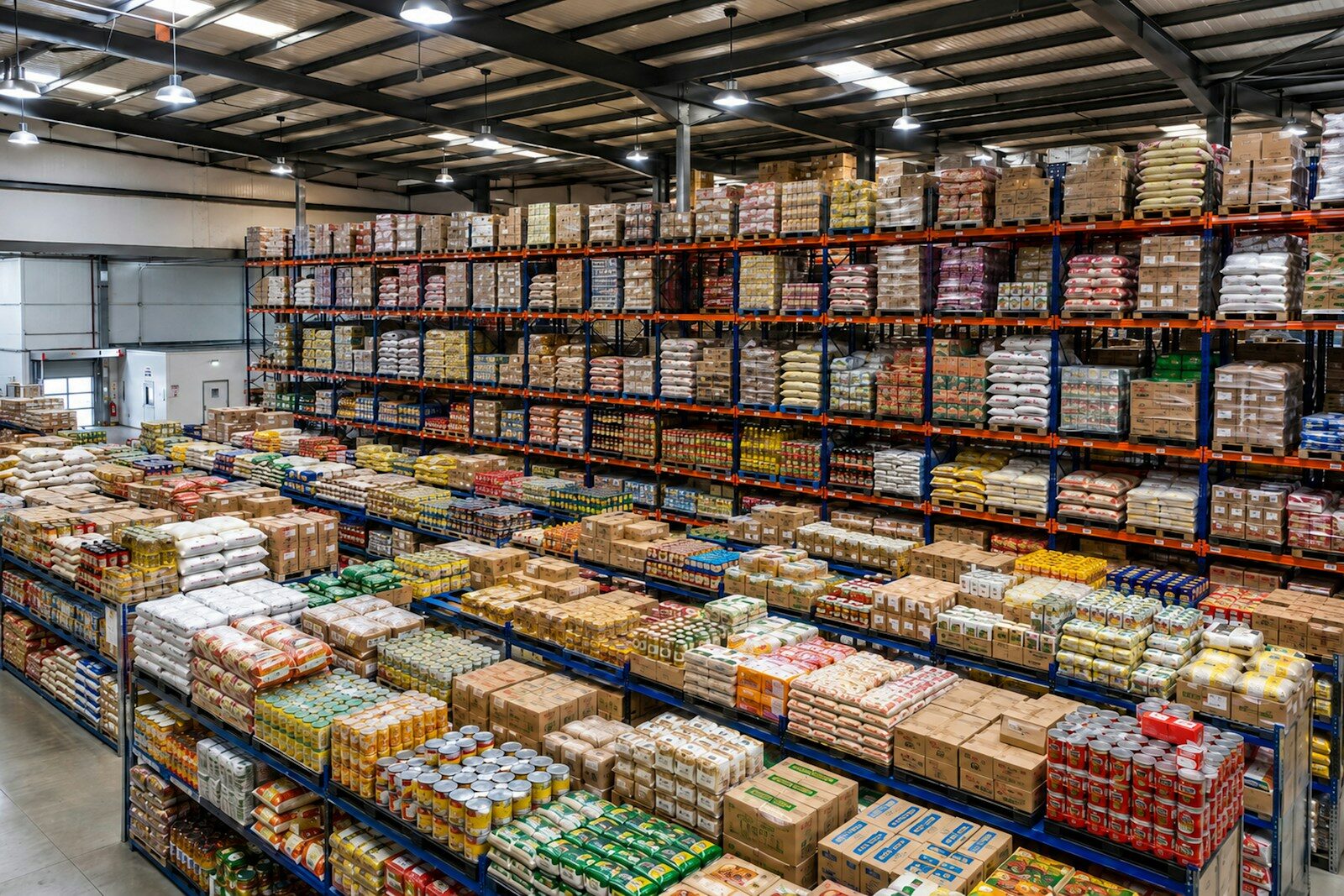
In the food and beverage manufacturing industry, precise inventory management is essential for operational success. Maintaining accurate inventory counts ensures smooth production processes, reduces waste, and meets regulatory compliance. Among the various inventory management techniques, cycle inventory counting is particularly valuable for its efficiency and effectiveness. In this blog post, we will explore best practices for cycle inventory counting tailored to the food and beverage manufacturing sector, highlighting the benefits of implementing these practices.
What is Cycle Inventory Counting?
Cycle inventory counting, also known as cycle counting or perpetual inventory counting, is a systematic method for regularly auditing inventory in smaller, manageable portions. Unlike traditional physical inventory counts, which require halting operations to count all inventory at once, cycle counting involves continuously counting subsets of inventory throughout the year. This method is especially advantageous in food and beverage manufacturing, where inventory turnover is high and precise tracking is critical.
Best Practices for Cycle Inventory Counting in Food & Beverage Manufacturing:
- ABC Analysis:
Prioritize inventory items based on their value and usage frequency. In the food and beverage industry, items with high turnover or significant impact on production should be classified as ‘A’ items. Conduct more frequent cycle counts on these high-value items to ensure accuracy and prevent production disruptions.
- Establish a Cycle Counting Schedule:
Develop a cycle counting schedule that fits the unique needs of your manufacturing operations. Consider factors like ingredient perishability, production schedules, and seasonal demand when planning the frequency and timing of counts. Regularly adjust the schedule based on changes in inventory dynamics.
- Implement Random Sampling:
Use random sampling techniques to select inventory items for cycle counting. This approach ensures a representative sample and avoids biases that might skew results. Random sampling is particularly useful in managing the diverse range of products in the food and beverage sector.
- Leverage Technology:
Employ advanced inventory management software and barcode scanning technologies to enhance the cycle counting process. Automated data capture and real-time inventory visibility can significantly reduce human error and streamline operations, ensuring more accurate inventory records.
- Foster Cross-Functional Collaboration:
Engage stakeholders from various departments such as production, quality control, and procurement in the cycle counting process. This collaborative approach enhances accountability, transparency, and coordination, which are crucial for managing the complex inventory needs of food and beverage manufacturing.
- Pursue Continuous Improvement:
Regularly review and refine your cycle counting procedures based on performance metrics, feedback, and evolving industry requirements. Implement continuous improvement initiatives to boost accuracy, efficiency, and scalability in your inventory management processes.
Benefits of Cycle Inventory Counting:
- Enhanced Accuracy:
Frequent counts of smaller inventory subsets reduce the likelihood of errors and discrepancies compared to traditional annual physical counts. This is particularly important in the food and beverage industry, where inventory accuracy directly impacts production and compliance.
- Timely Issue Identification:
Cycle counting identifies inventory discrepancies, stockouts, and overages promptly, this allows for swift resolution of issues, preventing disruptions in production and supply chain.
- Optimized Inventory Levels:
Accurate inventory counts enable better management of stock levels, reducing excess inventory and avoiding stockouts. This leads to improved cash flow and operational efficiency, which are crucial for maintaining profitability in the competitive food and beverage market.
- Increased Productivity:
By minimizing the need for disruptive and labor-intensive annual physical counts, cycle counting allows employees to focus on more value-added tasks. This boosts overall productivity and streamlines manufacturing operations.
- Informed Decision-Making:
Inventory data from cycle counting supports data-driven decision-making for purchasing, production planning, and inventory optimization. This enhances strategic planning and supports business growth in the dynamic food and beverage industry.
How NetSuite Enhances Cycle Inventory Counting in Food & Beverage Manufacturing
NetSuite’s Inventory Count feature is a valuable tool for food and beverage manufacturers, offering enhanced inventory tracking and management. With NetSuite, you can categorize inventory based on transaction volume or value and conduct regular periodic counts to maintain accuracy.
NetSuite's functionality extends to warehouse management and mobile radio frequency (RF) devices, allowing users to scan bins and items directly using the mobile app. This real-time data capture minimizes disruptions and reduces manual errors, ensuring that inventory counts are accurate and up to date.
By integrating NetSuite’s cycle counting capabilities into your inventory management strategy, you can achieve more precise inventory levels, automatic prompts for necessary counts, and improved quality assurance. This, in turn, enhances customer satisfaction and supports overall operational efficiency.
Cycle inventory counting is a proactive approach to managing inventory in the food and beverage manufacturing industry. By adopting best practices and leveraging technology, manufacturers can maintain accurate stock levels, promptly identify issues, and optimize operational efficiency. Implementing a robust cycle counting strategy provides a competitive edge and supports long-term success in a dynamic market.
Interested in learning more about how NetSuite and Zastro’s customized solutions can benefit your food and beverage manufacturing operations? Contact us today.
Let's Talk About NetSuite