For all businesses large and small, customer experience (CX) has become the linchpin of success across industries. While marketing and customer support teams are often at the forefront of customer interactions, the reality is that a company’s entire operation—from product development to delivery—plays a crucial role in shaping that experience. In fact, every decision made within a company, whether related to supply chain management, employee training, or internal communication, can have a profound impact on how customers perceive and engage with the brand.
Let’s take a closer look at how a company’s operations can either enhance or detract from the customer experience.
Positive Impacts of Operational Excellence on Customer Experience
When a company’s operations are streamlined, efficient, and customer-focused, the results are often reflected in a positive customer experience. Here’s how smooth operations can lead to happy, loyal customers:
- Faster Service Delivery
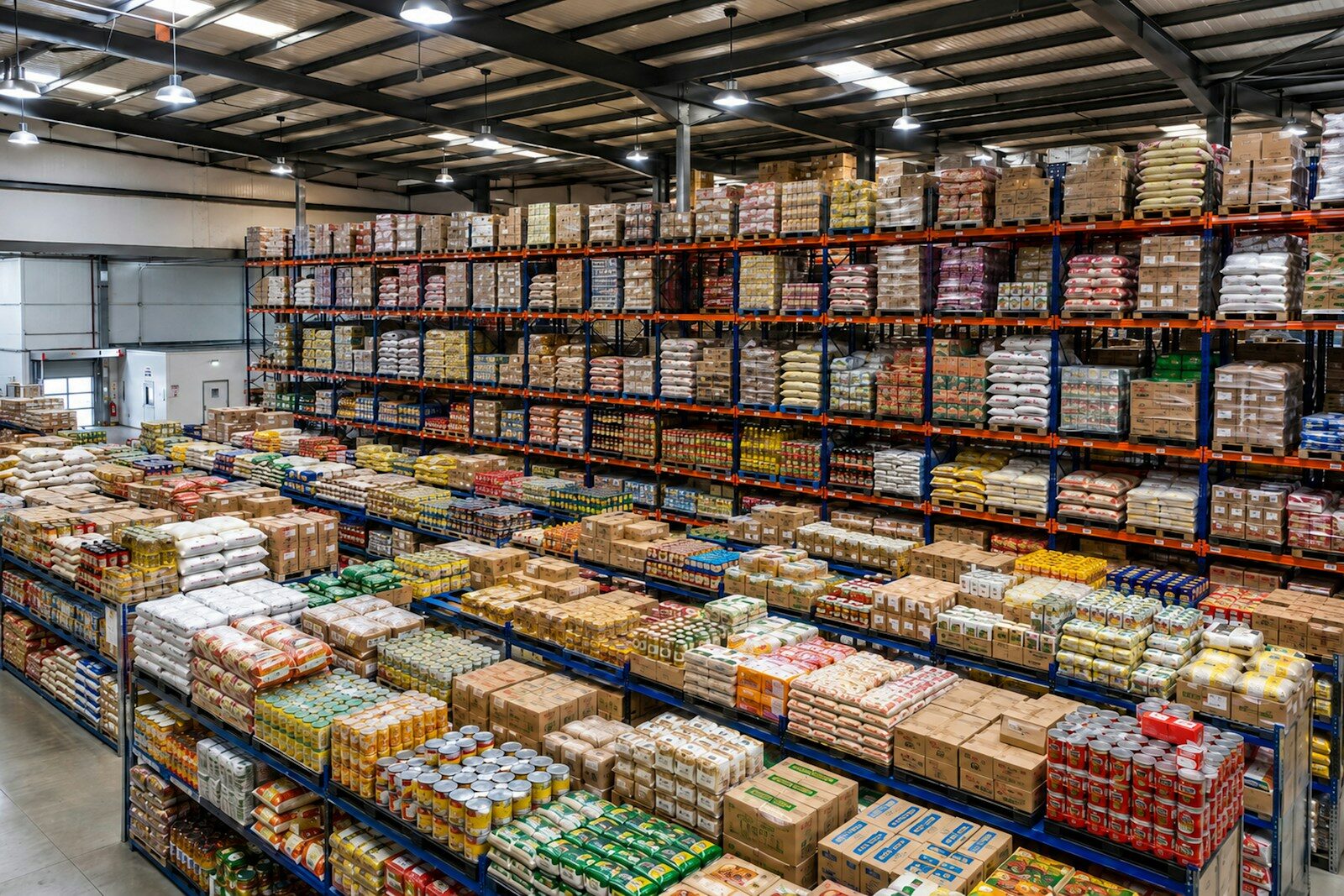
Operations that prioritize speed and efficiency can lead to faster delivery times for products and services. For example, businesses that utilize advanced inventory management systems can ensure products are always in stock, reducing backorders and delays. Quick shipping and reliable delivery systems enhance customer satisfaction, as customers today expect speed and convenience. A seamless supply chain also ensures that customers aren’t left waiting for their orders, increasing their likelihood of returning for future purchases.
The impact of Amazon on customer expectations cannot be overstated in this context. As the e-commerce giant has set a gold standard for fast, reliable delivery with its Prime service, customers have come to expect incredibly quick shipping times—often within 1-2 days, or even the same day. This has created a shift in consumer behavior, with shoppers increasingly prioritizing speed and convenience over other factors, like price or selection. As a result, businesses across all industries are under pressure to accelerate their own fulfillment processes or risk losing customers to competitors who can meet these heightened expectations.
Amazon’s success has led many companies to rethink not just their logistics, but their overall operational strategy, with a greater focus on scalability, automation, and customer experience. Meeting these expectations requires an operational overhaul, from optimizing warehouse logistics to adopting faster, more efficient delivery methods. Companies that fail to deliver on speed risk frustrating customers and damaging their reputation, while those that meet or exceed expectations are more likely to cultivate loyalty and repeat business.
- Quality and Consistency
A strong operational backbone can lead to more consistent product and service quality. Companies that invest in quality control measures—whether through automated processes or employee training—are more likely to deliver products that meet or exceed customer expectations. Customers who receive the same high-quality product or service each time they interact with the company are more likely to trust the brand and develop long-term loyalty.
- Personalized Customer Experience
Operations can also have a significant impact on how well companies can personalize the customer experience. By using data analytics and customer relationship management (CRM) tools, businesses can tailor their communications, offers, and interactions to individual preferences and behaviors. This not only makes customers feel valued, but it can also increase sales, as customers are more likely to purchase products or services that feel personally relevant.
- Customer-Centric Culture
Operational efficiency isn't just about processes—it's also about the mindset of the employees who execute them. Companies that prioritize a customer-centric culture across all levels of operations, from leadership down to frontline staff, are better equipped to deliver superior customer service. Training employees to go above and beyond to solve problems or provide personalized assistance can foster deeper connections with customers and ensure positive experiences.
Negative Impacts of Poor Operations on Customer Experience
On the flip side, when a company’s operations are inefficient, disorganized, or disconnected, customers will feel the consequences, often in the form of frustration or dissatisfaction. Here’s how poor operations can negatively affect the customer experience:
- Long Wait Times and Delays
Inefficient operational processes, such as poorly managed inventory or outdated logistics systems, can lead to longer delivery times or stockouts. A customer who places an order expecting it to arrive in a few days only to experience delays or cancellations will likely feel disappointed, especially if the company fails to communicate updates. Slow response times, whether for customer service inquiries or product shipments, can significantly tarnish a brand’s reputation.
- Inconsistent Product or Service Quality
When operational standards are lax, it often results in inconsistent quality. For instance, a lack of quality assurance processes can lead to faulty or damaged products reaching customers, or service teams that are ill-equipped to address customer needs. Inconsistencies can cause customers to lose trust in the brand, leading to complaints, product returns, and ultimately churn.
- Poor Communication
Operational breakdowns can also occur in the communication chain. If internal teams don’t collaborate effectively—whether between customer service, sales, logistics, or marketing—customers may be given conflicting information. For example, a customer might be told one thing by a sales rep and another by someone in shipping, leading to confusion and frustration. In today’s world, where transparency and consistency are key, poor communication across operations is a major CX killer.
- Lack of Agility and Adaptability
Customer needs and expectations are constantly evolving. If a company’s operations are rigid and slow to adapt, they may struggle to meet changing demands or resolve issues quickly. For instance, if a company is slow to adopt new technologies that could improve the customer experience, like mobile apps, chatbots, or AI-driven customer service tools, customers may seek out competitors that offer more modern, efficient solutions.
- Employee Burnout
A company’s internal operations can also affect the customer experience through employee satisfaction. When operational inefficiencies lead to understaffing, overwhelming workloads, or unclear processes, employees may feel stressed, disengaged, or overworked. Disgruntled or burned-out employees are less likely to provide exceptional customer service, and their frustration can often be transferred to customers, resulting in a negative experience.
Bridging the Gap: How to Align Operations with Customer Experience: An ERP can bridge that Gap
To ensure that operations positively impact the customer experience, companies must take a holistic approach that focuses on both internal efficiencies and customer satisfaction. Here are some best practices to align operations with CX goals:
- Invest in Technology and Automation
Utilizing advanced tools for inventory management, data analytics, and customer relationship management can help improve efficiency, reduce errors, and personalize interactions. Enterprise Resource Planning (ERP) systems play a crucial role in this by integrating various functions across the business, from supply chain management to finance and human resources, into one unified platform. This centralized approach ensures that all departments have real-time access to accurate data, enabling better decision-making and more coordinated efforts to meet customer needs. For example, an ERP system can help track inventory levels in real-time, ensuring that stock is always replenished when needed, and preventing stockouts or delays in order fulfillment. In customer service, ERPs can provide a comprehensive view of each customer’s history, preferences, and past interactions, allowing representatives to offer personalized service and resolve issues more quickly.
Automation in areas like order fulfillment or customer service (such as chatbots) can also streamline processes, ensuring faster, more accurate responses to customer inquiries. By integrating ERP with automation tools, businesses can reduce manual errors and bottlenecks, leading to quicker order processing, more efficient returns management, and better communication with customers. For instance, automated notifications triggered by the ERP system can inform customers about order status updates, shipping delays, or inventory restocks in real time, creating a seamless and transparent customer experience.
- Foster Cross-Departmental Collaboration
All departments—sales, customer service, operations, and marketing—should be aligned in their goal of enhancing customer experience. Regular communication and collaboration between teams will help resolve issues faster, provide consistent information, and ensure that customer needs are prioritized at every stage of the journey. This is where an ERP system can play a pivotal role by fostering better communication and collaboration across departments. By integrating data and processes into a single, unified platform, an ERP ensures that all teams have access to the same real-time information, eliminating silos and reducing the risk of miscommunication or conflicting messages. For example, when a sales team makes a customer promise regarding delivery timelines or product availability, the operations team can immediately access the same data through the ERP system to confirm if those promises are feasible. Similarly, marketing teams can use customer insights from sales and service data to tailor campaigns or promotions that better align with customer preferences.
An ERP system also allows better coordination in handling customer inquiries or issues. If a customer service representative is addressing a concern about a delayed shipment, they can quickly check the ERP system to get accurate, up-to-date status on inventory, order processing, and shipping timelines. This shared visibility enables teams to work in harmony, offering consistent messaging and reducing the chances of mixed signals or customer frustration.
- Continuously Train Employees
Training programs that emphasize both operational skills and customer service are essential. Employees should be equipped with the knowledge and tools to handle customer inquiries effectively, while also being trained on how to work efficiently within their operational roles. An ERP system plays a critical role in supporting employee training by offering a centralized platform where employees can access real-time data, process guidelines, and training resources. This ensures that employees are not only learning how to use the system itself but also gaining a deeper understanding of how their role fits into the broader operational workflow. For example, customer service representatives can be trained to use the ERP to quickly access customer information, such as order status, history, and preferences, allowing them to provide more accurate and personalized responses. Similarly, employees in sales or inventory management can learn to use the ERP to optimize order fulfillment and manage stock levels efficiently, ensuring that customers receive their products on time.
Moreover, an ERP system can help streamline training by offering in-app guidance, real-time data analytics, and scenario-based learning tools. New employees can be onboarded more effectively by practicing with the system in a controlled environment, helping them get up to speed quickly without disrupting actual operations. By integrating ERP training with customer service best practices, companies can ensure that employees not only understand the operational side of things but are also prepared to deliver exceptional customer experiences. This cross-functional knowledge enhances overall operational efficiency and contributes directly to improving customer satisfaction, as employees are empowered to resolve issues quickly and effectively.
- Solicit and Act on Customer Feedback
Companies should establish a clear process for collecting and analyzing customer feedback. This feedback can be invaluable in identifying areas where operations may be falling short and where improvements can be made to enhance the overall customer experience. An ERP system can play a key role in supporting this process by centralizing customer feedback data, making it easier for businesses to gather insights across multiple touchpoints—whether through customer surveys, support tickets, social media, or direct interactions. By integrating feedback collection tools directly into the ERP system, companies can track and store customer comments, complaints, and satisfaction scores in one unified platform. This centralized repository ensures that all departments, from customer service to product development, have access to valuable customer insights that can drive improvements.
Additionally, ERP systems can offer powerful data analytics capabilities to help businesses analyze feedback in real-time. For example, customer satisfaction ratings can be linked to specific orders, products, or service interactions, allowing businesses to pinpoint trends or recurring issues. With built-in reporting tools, managers can quickly identify patterns in feedback—such as a spike in complaints about delivery delays or issues with a particular product—and take immediate corrective action. ERP systems can even automate follow-up surveys or requests for feedback after a service interaction, ensuring that companies continuously collect fresh insights to refine their customer experience strategy.
- Focus on Flexibility and Agility
In an ever-changing marketplace, companies must be able to adapt quickly to new technologies, customer preferences, or market conditions. Building agility into operations allows businesses to respond more effectively to customer needs and deliver timely solutions. An ERP system is crucial for enabling this agility by providing real-time access to data, streamlining processes, and allowing businesses to adjust quickly to changes in demand or operational conditions. For example, if a company identifies a sudden shift in customer preferences or a change in market trends. The ERP system can help managers quickly assess inventory levels, supply chain capabilities, and sales forecasts to adjust production or inventory plans in real-time. This helps ensure that products are available when customers want them, and that businesses can quickly adapt their strategies without lengthy delays.
ERP systems can integrate with other tools, such as customer relationship management (CRM) platforms, data analytics, or even social listening tools, to give companies a broader view of customer behavior and market conditions. This integrated view allows businesses to act quickly on emerging trends or customer feedback. For example, if a customer segment is showing increased demand for eco-friendly products, an ERP system can quickly relay this information to the procurement team to adjust sourcing and manufacturing plans accordingly. This agility also extends to customer service: if there’s an uptick in inquiries related to a specific product or service issue, ERP systems can help identify the root cause, streamline internal communication, and ensure that customer-facing teams are equipped with the latest information to provide timely resolutions.**
Conclusion: Operational Excellence = Customer Delight
At the end of the day, a company’s operations are integral to the customer experience. Every part of the business—whether it’s logistics, quality control, customer support, or employee engagement—affects how customers perceive and interact with the brand. By focusing on operational efficiency, clear communication, and a customer-first mentality, companies can enhance customer satisfaction, foster loyalty, and ultimately drive long-term success.
When done right, operational excellence doesn’t just benefit the company—it can turn every customer interaction into a positive, memorable experience.
Contact Zastro to learn how NetSuite ERP can enhance your customer’s experience.
Empowering Decision-Making for F&B Success
In the food and beverage industry, profitability often depends on a company’s ability to adapt quickly to market shifts, optimize operational efficiency, and make data-driven decisions. An ERP system like NetSuite can provide a comprehensive view of the financial health of your product portfolio, giving you the clarity to identify high-performers and low-margin items alike.
By leveraging NetSuite’s powerful financial tools, inventory management capabilities, and sales analytics, F&B businesses can make smarter decisions that directly improve profitability—whether that means adjusting pricing strategies, cutting waste, or discontinuing unprofitable products. With real-time insights and the ability to forecast future trends, NetSuite enables F&B companies to stay ahead of the competition and ensure their products consistently deliver the best possible margin.
In a highly competitive and ever-changing market, the ability to shine a light on product profitability is not just a luxury — It’s a necessity.
Interested in learning how NetSuite can improve your food & beverage manufacturing operations? Let’s talk.
Let's Talk About NetSuite
Zastro’s NetSuite Consulting Services provides ERP solutions for businesses that want to streamline processes and make operations more efficient. From customer communications to back-office operations, Zastro can help your company effectively implement NetSuite to manage the resources and tools needed to scale.