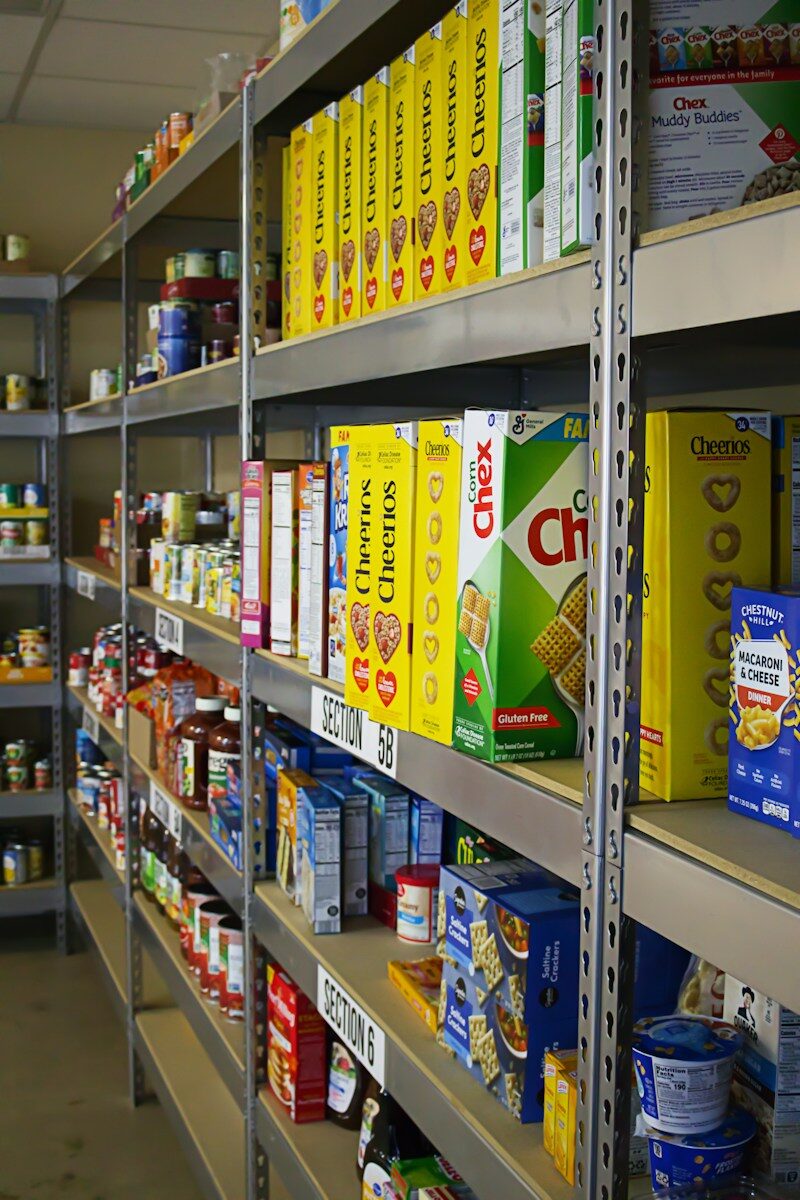
Holiday volume does not surprise anyone in food and beverage. It lands on roughly the same calendar each year, and yet the same problems return with it: short ingredients, overtime-heavy schedules, spot buys, and case counts done by hand. The gap is rarely awareness. It is the ability to turn what the business already knows about its peak into coordinated action across purchasing, production, and labor.
Photo by freestocks.org on Pexels
Why peak season exposes weak planning systems
Demand rarely stays flat through the year. Holidays, weather, changing routines, and promotional campaigns all shift purchasing patterns, and in food and beverage those shifts compound quickly because shelf life, supplier lead times, and minimum order quantities limit how fast a team can react. When the forecast lives in one file, the purchase plan in another, and the production schedule on a whiteboard, every handoff adds lag. Lag is what turns a manageable surge into a week of expediting.
Best practices that hold up under pressure
Start with data you trust
Good demand planning starts with solid data. Collect past sales history at the item and customer level, track market trends, and understand buying behavior before building a forecast. Shipment records that blend samples, returns, and promotional volume will produce a number nobody believes, and a forecast nobody believes will not drive purchasing decisions.
Separate baseline demand from promotions and seasonality
Seasonal demand forecasting works by identifying recurring patterns and monitoring emerging trends so teams can anticipate changes before they occur. Treat the recurring pattern, the promotional lift, and the underlying baseline as separate layers. When they are blended into a single figure, one unusually strong promotion quietly inflates the baseline for the following year.
Review accuracy instead of assuming it
Accurate forecasting supports inventory, production, and supply chain decisions, so the forecast deserves a regular review. Compare plan to actual after each peak and record why a miss happened: a late promotion, a supplier shortfall, a yield variance. Those notes become the most useful input for the next cycle.
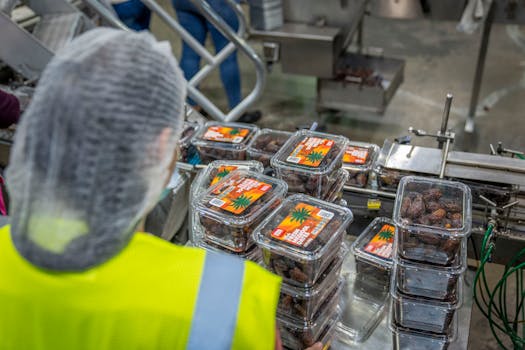
Five planning disciplines that carry a peak season
Most food and beverage teams manage the same five moving parts. The difference between a smooth peak and a frantic one is whether those parts share one plan.
- Demand planning: aligning supply chain operations with forecasted demand so the numbers become purchasing and production actions, not a report.
- Purchasing: committing to ingredients and packaging early enough to protect lead times, and knowing which items are genuinely constrained.
- Production scheduling: sequencing runs around shelf life, changeovers, and capacity, including seasonal recipe and bill of material variations.
- Labor coordination: matching shifts and overtime to the production plan instead of reacting to it after the schedule is set.
- Inventory visibility: seeing stock by location, lot, and expiration so allocation decisions rest on current facts.
Where spreadsheets start to fail
Spreadsheets handle simple planning well. They struggle with version control, multi-location inventory, and the constant recalculation a peak demands. The symptoms are familiar: several files claiming to be the current forecast, a purchasing list that no longer matches the schedule, and reconciliation that eats days. These are not planning skill problems. They are symptoms of planning in disconnected tools.
How NetSuite supports seasonal demand planning
A unified platform puts the forecast, the purchase order, the work order, and the inventory record in one place. For food and beverage companies, that changes what seasonal planning can realistically include.
- Demand planning tools translate forecasts into supply requirements, so buyers see what the peak plan actually implies.
- Purchasing and vendor records keep commitments, lead times, and receipts connected to the demand that created them.
- Production scheduling and recipe/bill of material control handle seasonal formulations and packaging changes without parallel spreadsheets.
- Inventory management provides visibility by item, location, lot, and expiration, which matters when stock must be allocated across customers and channels.
- Reporting closes the loop, letting teams compare plan to actual and carry the lesson forward.
Teams already running NetSuite often find the bigger gain in using more of what they own: cleaning item data, tightening forecast inputs, and building reports planners actually open during peak weeks.

A simple preparation sequence
Work backward from the peak. Start with historical sales and the demand forecast, then move to supplier commitments and long-lead ingredients. Lock the production schedule and labor plan together. Confirm inventory positions and allocation rules before the first heavy week, then review results while the details are still fresh.
Frequently Asked Questions
What is the difference between demand planning and demand forecasting?
Demand forecasting produces a prediction of future demand. Demand planning takes that prediction and turns it into action: what to buy, what to produce, and when to schedule it. Forecasting is one input into planning, which also weighs capacity, supplier lead times, and inventory already on hand.
Why does inventory visibility matter more during peak season?
During peak weeks stock is spread across locations, lots, and customers, and allocation decisions happen quickly. Visibility by item, location, lot, and expiration lets teams see what is genuinely available, redirect stock before it ages out, and avoid committing the same inventory twice.
Can NetSuite handle seasonal recipe and packaging changes?
NetSuite production scheduling and recipe/bill of material control support versioned formulations and packaging variations, which helps when a seasonal item uses a different ingredient, pack size, or label. Costing and material requirements stay attached to the correct version through the surge.
How do you measure whether seasonal planning improved?
Compare forecast to actual at the item level after each peak and review the causes behind large misses. Track how often purchasing expedites orders, how much stock remains once the season ends, and whether production ran to plan. Those measures show whether planning discipline is actually improving.