A 2027 operations plan is not a budget with a cover page. It is the set of decisions that determines what your lines run, what your buyers commit to, what your warehouses hold, and what your finance team can promise the board. In food and beverage, those decisions arrive at the same time and pull against each other. Building the plan in one place, with one version of the numbers, is the difference between a document that gets filed and a plan that actually runs the business.
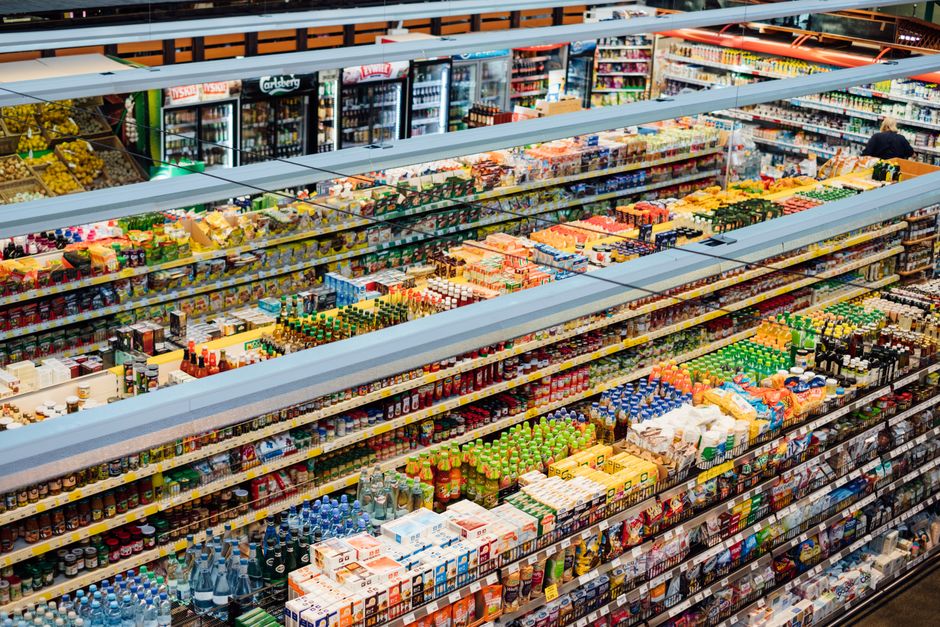
Photo by Jonathan David on Pexels
What an Operations Plan Actually Does
Operational planning is how companies organize day-to-day tasks so they align with broader strategic goals. Planning guidance commonly describes it as a road map that guides teams through the year, or as a daily GPS giving turn-by-turn directions toward milestones. Another working definition frames an operational plan as one prepared by a component of an organization that clearly defines the actions it will take to support the larger plan.
One more idea is worth holding onto: operational planning is often described as a finance-led exercise that fosters collaboration with department leaders across the organization. That framing fits food and beverage well. Finance owns the numbers, but operations owns the commitments behind them.
Start With Demand, Then Work Backward Through Capacity
A 2027 plan begins with what you expect to sell, not with what you would like to produce. Demand assumptions should cover volume by item and channel, customer-level commitments, seasonal peaks, promotional lift, and new item launches. From there, work backward into capacity: line hours, labor, co-packer availability, and storage space.
The uncomfortable step is naming the gap. If projected demand exceeds capacity in the second and third quarters, the plan needs a decision now, whether that is added shifts, a new co-packer relationship, or a deliberate cap on growth. A plan that assumes capacity will somehow appear is not a plan.

Put Inventory and Suppliers in the Same Conversation
Inventory targets and supplier commitments are two halves of one decision. Shelf life, lot control, and storage constraints limit how much buffer stock makes sense. Supplier lead times, minimum order quantities, and single-source exposure limit how fast you can refill. Planning these separately produces the classic result: too much of what you cannot sell and too little of what you can.
For 2027, list the ingredients and packaging that carry real risk, then document the supplier, the lead time, and the fallback for each. That list belongs inside the operating plan, not in a buyer's notebook.
Treat Quality and Compliance as Operating Constraints
Quality is not a department that reviews the plan after the fact. It shapes what the plan can physically do. Food and beverage teams should confirm which schemes and requirements apply to them with the relevant certification body or regulator rather than relying on secondhand summaries.
Practically, this means the plan accounts for inspection time, hold-and-release steps, allergen changeover windows, and audit preparation. Growth that ignores those steps usually shows up later as expedited freight and rejected lots.
Connect the Plan to Financial Goals
Finance-led planning means margin, cash, and working capital are translated into operating rules. How much inventory can the business carry? Which customer mix protects gross margin? What capital spend is justified by the capacity constraint the plan identifies? When those answers live only in the financial model, operations makes decisions blind to them.
A Simple Structure for the 2027 Plan
| Plan element | Question it must answer | Typical source today |
| Demand | What will we sell, by item, channel, and month? | Sales spreadsheets and customer emails |
| Capacity | Where does volume exceed line, labor, or storage? | Production schedules and tribal knowledge |
| Inventory | What buffer is affordable and still safe? | Warehouse counts and adjustments |
| Suppliers | Which inputs are at risk, and what is the fallback? | Contracts and buyer notes |
| Quality and compliance | What holds, checks, and audits must the plan absorb? | Audit files and quality logs |
| Financial goals | Which margin, cash, and capital rules govern the above? | Finance model |
Where NetSuite Fits in the 2027 Plan
Most food and beverage companies do not struggle to write the plan. They struggle to keep it true for more than a month, because the inputs sit in six systems and none of them agree. A unified cloud ERP platform changes the mechanics of that problem. Demand, production, inventory, procurement, supplier records, quality data, and financial results live in one place, so a change in forecast flows into the same data the finance team closes with.
That is the practical value of NetSuite for growing food and beverage operations: the plan becomes a live view rather than a spreadsheet snapshot, and leaders can compare planned versus actual across the same records. At Zastro, our NetSuite implementation work runs through the Momentum Flywheel methodology, which is built for teams replacing disconnected systems and manual workarounds with one operating platform. Current NetSuite users can put the same foundation to work through an ERP health check before the 2027 cycle begins.

Plan in a Rhythm, Not a Sprint
An annual plan built once and revisited in a crisis is not really a plan. Set a cadence, whether monthly or quarterly, where demand, capacity, inventory, supplier risk, and financial results are reviewed against the same baseline. Operational planning works when it is a systematic approach to defining how the organization performs its day-to-day activities, not an event on the calendar. The 2027 plan should be the version you trust in January and still trust in September.
Frequently Asked Questions
What is the difference between strategic planning and operational planning?
Strategic planning sets the longer-term direction and vision for the business. Operational planning is how you decide what you will actually do in the next fiscal year to make that vision real, translating goals into daily tasks, owners, and timelines that teams can execute against.
How far ahead should a 2027 operations plan look?
Aim for a full fiscal year view with quarterly refreshes. Food and beverage demand shifts with seasons, promotions, and customer changes, so the plan needs enough horizon to secure capacity and suppliers while staying adjustable as actual results arrive.
Who should own operations planning in a food and beverage company?
Operational planning is commonly treated as a finance-led exercise that fosters collaboration with department leaders across the organization. Finance anchors the numbers while operations, procurement, quality, and sales own the commitments behind them, which keeps the plan grounded in both margin and execution.
How does NetSuite support an operations plan?
NetSuite brings demand, production, inventory, procurement, supplier, quality, and financial data onto one cloud platform. Instead of reconciling spreadsheets, leaders compare planned versus actual in the same system, which makes the plan easier to refresh and harder to contradict.